How Serious Collectors Actually Build Collections (And Why Most Get It Wrong)
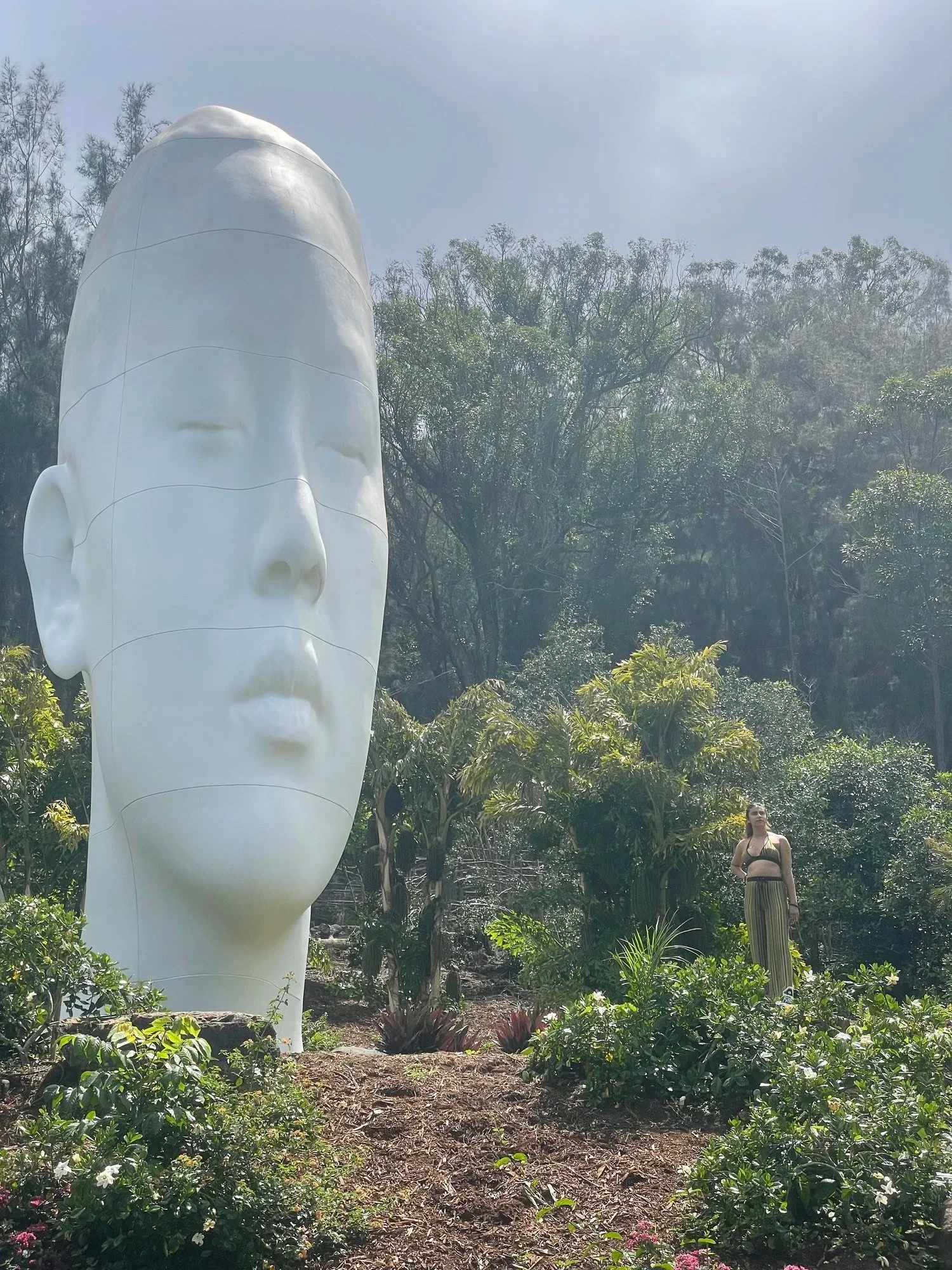
The difference between an art enthusiast and a serious collector isn’t the size of the bank account; it’s the depth of the strategy.
In the world of ultra-high-net-worth individuals, art is often viewed as the final frontier of lifestyle and legacy. Yet, walk into most luxury penthouses or sprawling estates, and you’ll see the same pattern: a collection of "great hits" that lacks a soul, a narrative, or a defensive investment position. Most people think they are building a collection, but in reality, they are just shopping.
Building a world-class art collection is a visionary act. It requires moving beyond the dopamine hit of the art fair floor and entering a space where market intelligence, institutional validation, and exclusive access converge. If you want to know how to start an art collection that actually holds its own in a portfolio, you have to stop buying art and start curating a legacy.
THE ART FAIR TRAP: WHY IMPULSE IS THE ENEMY OF VALUE
We’ve all seen it. The lights of Art Basel Miami or Frieze London are bright, the champagne is flowing, and the social pressure is high. You see a vibrant canvas, hear a gallery director mention that three other collectors are eyeing it, and you pull the trigger.
This is the "Art Fair Trap."
Impulse buying at major fairs is how most collectors get it wrong. While fairs are excellent for discovery and networking, they are often the least strategic place to commit significant capital. When you buy under pressure, you are usually paying the "hype tax." You are buying at the peak of a trend, often without seeing the artist’s full body of work or understanding their long-term trajectory.
Serious collectors use art fairs for research, not just acquisition. They look for consistency in a gallery’s roster and observe which artists are garnering institutional interest. If you want to build an art collection that endures, you must learn to separate the "market noise" from the "market signal."
THE INVISIBLE MARKET: ACCESSING THE OFF-MARKET WORLD
The most important works of art: the museum-grade pieces that define an era: rarely make it to the public walls of a gallery or the open floor of a fair. They are traded in the "Invisible Market."
Serious collectors know that the primary market (works coming directly from the artist's studio) and the off-market secondary world are where the real value is found. This is where access matters. Galleries don’t sell their best pieces to the highest bidder; they sell them to the collector who will protect the artist’s career and eventually place the work in a museum.
This is where professional art advisory services become indispensable. An advisor isn’t just a middleman; they are your passport into these closed circles. They negotiate the "right to buy," ensuring you are positioned as a "preferred collector." Without this strategic access, you are limited to the leftovers: the works that the insiders have already passed on.
BEYOND THE DECORATIVE: ART AS A STRATEGIC ASSET
There is a common misconception that art is either "for the walls" or "for the portfolio." The most sophisticated collectors know it’s both.
At The Agency Art House, we view art as a lifestyle asset that must be managed with the same rigor as a real estate portfolio or a venture capital fund. This means adopting a "Barbell Strategy": balancing high-value, blue-chip anchors that provide stability with high-potential, emerging discoveries that offer growth.
When you build a barbell collection, you are creating a resilient asset class. Your blue-chip pieces (think Warhol, Basquiat, or Richter) act as the foundation, while your emerging works represent the "venture" side of your collection. This approach ensures that your collection is not just a sunk cost of home decoration, but a living, breathing component of your net worth.
INSTITUTIONAL VALIDATION: THE REAL NORTH STAR
Why do some artists’ prices skyrocket while others languish in obscurity? The answer lies in institutional validation.
Before a piece of fine art becomes a "blue chip" investment, it usually goes through a rigorous process of validation by curators, museums, and critics. A serious collector looks for more than just a pretty picture; they look for a CV.
Has the artist been included in a biennial?
Is their work in the permanent collection of the MoMA, the Tate, or the Getty?
Who else owns their work?
Provenance: the history of ownership: is the DNA of an artwork’s value. Buying a work with a distinguished provenance or institutional backing is a "defensive" move. It protects you against the volatility of the contemporary art market. When you focus on primary vs. secondary market sourcing, you are essentially betting on the artist's long-term cultural relevance, which is the only true driver of value.
ART AND LUXURY REAL ESTATE: THE NARRATIVE OF THE HOME
In the world of high-end real estate, art is the soul of the structure. A $20 million mansion without a curated art collection is just a building; with the right works, it becomes a gallery, a sanctuary, and a statement of taste.
Serious collectors understand that curating art for a luxury home goes far beyond matching a painting to the sofa. It’s about scale, light, and narrative. It’s about creating a dialogue between the architecture and the objects within it. When art is integrated intentionally, it increases the perceived value of the real estate itself. It transforms "space" into "place."
THE ADVISOR AS ARCHITECT: CURATION OVER COMMERCE
Perhaps the biggest mistake new collectors make is trying to navigate the art market alone. They treat art like a retail transaction. But the art market is famously opaque, unregulated, and driven by relationships.
A true art advisor is not a salesperson; they are an architect of your legacy. They provide the art market intelligence necessary to tell the difference between a passing trend and a timeless investment. They vet condition reports, verify provenance, and negotiate prices that are often 10–20% lower than what a gallery would quote an unrepresented individual.
By partnering with an advisory like The Agency Art House, you are moving from a reactive state (buying what you see) to a proactive state (seeking out what you need). This shift in intentionality is what separates the casual buyer from the serious collector.
NAVIGATING THE FUTURE: INTENTIONALITY OVER DECORATION
As we look toward the future of collecting in 2026 and beyond, we are seeing a significant shift in UHNW behavior. The "investor-collector" is being replaced by the "steward-collector." There is a renewed focus on intentionality, craftsmanship, and the "human-made."
Collectors are no longer satisfied with mass-produced contemporary "zombie formalism." They are seeking works that have something to say: works that challenge the status quo and push the boundaries of new media. Navigating this shift requires a keen eye and a deep understanding of how to tell a trend from a timeless piece.
CONCLUSION: YOUR LEGACY STARTS WITH A STRATEGY
Building a collection is an endurance sport. It’s about the slow, deliberate accumulation of works that tell a story: your story. Most people get it wrong because they are in a rush. They want the "look" of a collection without the substance of a strategy.
If you are ready to move beyond decoration and begin building a museum-grade collection, the first step isn't going to a gallery; it’s finding a partner who understands the intersection of art, value, and vision.
At The Agency Art House, we don't just help you buy art. We help you build a legacy.
Whether you are looking to buy or sell or simply want to understand the art of the portfolio, our team is here to guide you through the complexities of the global market. The walls of your home are a canvas for your personal history: make sure what you hang on them is worth the space.