

Art Intelligence for Strategic Collecting
THE ART HOUSE JOURNAL
Big Ideas. Real Impact in Art Collecting.
The Art House Journal is a leading art intelligence platform offering insights, strategy, and guidance for building and managing high-value art collections. It simplifies the art market by providing collectors with clear frameworks, market analysis, and access to curated opportunities.
The Art House Journal solves the lack of clear, reliable information in the art market. Art collectors often navigate fragmented insights, opaque pricing, and limited access across galleries, auctions, and private networks. The Journal provides structured art market insights, art collecting strategy, and acquisition guidance, so collectors can build and manage high-value art collections with confidence.
This Journal is a tool for the art collector, designed to bring clarity, strategy, and insight to every stage of building and managing an art collection. It provides market intelligence, acquisition frameworks, and informed guidance so collectors can make confident, high-value decisions.
-
The Art House Journal is needed because the art market is opaque, relationship-driven, and often difficult to navigate without guidance. Most collectors are left piecing together information from galleries, auctions, and fragmented sources. The Journal brings clarity through market insights, acquisition strategy, and real intelligence, so collectors can make informed decisions and build museum-grade collections with confidence.
-
The Art House Journal is for art collectors at every stage, whether beginning their first collection or seeking direction while building an existing one. It is designed for those who want to approach art collecting with clarity, strategy, and long-term vision.
The Journal is for art collectors who want to approach art collecting with strategy, clarity, and long-term vision. It is designed for individuals building or refining high-value art collections, whether making their first acquisition or expanding into museum-grade works.The Journal speaks to collectors, investors, and culturally engaged individuals who value market insights, acquisition strategy, and informed decision-making over trend-driven buying. It is for those who want to understand the art market, access better opportunities, and build art collections with lasting significance.
Turnkey Art Collections for Real Estate: When They Work
An honest look at turnkey art collections for real estate: where they suit model homes, rentals and hotels, where they fall short, and how to decide.
What an Art Acquisition Concierge Does (and When You Need One)
What an art acquisition concierge handles, how the role differs from an art advisor or dealer, when it is worth paying for, and what to ask first.
Art for Hotels and Hospitality Projects: Procurement, Budgets, Care
How hotel art programs come together: brand narrative, public spaces vs guest rooms, sourcing at volume, local artists, durability and maintenance.
Art for Healthcare Facilities: A Program for Patients and Staff
How to plan art for hospitals and clinics: infection-control-friendly materials, placement, wayfinding, staff spaces, procurement and maintenance.
Hiring a Home Art Advisor: What Residential Art Advisory Includes
What a home art advisor does: residential art advisory scope, the process from discovery to installation, working with designers, and how fees work.
Preparing a Collection for an Art Loan: Appraisal, Title, Documents
A step-by-step checklist for preparing art as loan collateral: choosing works, documentation, clear title, appraisal, insurance and lender questions.
How Art-Backed Loans Work: Borrowing Against an Art Collection
A practical guide to art-backed loans: who lends against fine art, recourse vs non-recourse, what lenders assess, common uses, and the main risks.
Percent-for-Art Rules: A Developer’s Guide to Public Art Requirements
How percent-for-art and public art requirements work for developers, with examples from Los Angeles, Miami-Dade and New York City.
Building an Art Strategy for a Real Estate Development
How to build an art strategy for a real estate development: the core questions, cultural strategy, budgets by zone, stakeholders, and timeline.
Real Estate Art Advisory: What It Is and When a Developer Needs One
What a real estate art advisory does for developers, when to bring one in, and what a clear scope of work should cover from concept to handover.
How to Start Collecting Art on a Real Budget: A First-Year Plan
A practical first-year plan for starting an art collection on a modest budget, from finding your taste to your first buys and keeping good records.
Is Art a Good Addition to a Modern Wealth Portfolio? An Honest Look
A balanced look at where fine art fits in a modern wealth portfolio, its real advantages and its honest caveats, from The Agency Art House.
What Art Collection Management Actually Involves, and Why It Protects Value
Cataloguing, provenance, condition, insurance and succession: what art collection management covers and how it protects the value of a collection.
Emerging or Blue-Chip: How to Balance a Collection You Can Live With and Pass On
How to balance emerging and blue-chip art in one collection so it holds value, keeps surprising you, and is worth passing on.
How to Buy Your First Investment-Grade Artwork Without Overpaying
What investment-grade art really means, why the label price is not the real cost, and how to benchmark a fair price on your first serious purchase.

Where to Source Fine Art for Wellness Sanctuaries and Healing Spaces
Sourcing fine art for wellness sanctuaries involves looking beyond traditional galleries to find works that embody tranquility and balance. Focus on blue-chip artists who specialize in light, texture, and natural forms. The Agency Art House provides exclusive access to private inventories and primary market works specifically suited for healing spaces. When sourcing, prioritize art that utilizes soft color palettes and organic geometry to lower cortisol levels. By partnering with global art advisors, collectors can acquire rare, non-publicly available pieces that serve as the cornerstone of a mindful environment, ensuring both aesthetic harmony and long-term asset value.

How to Build a Fine Art Collection for Mental Wellbeing and Longevity
Building a fine art collection for mental wellbeing and longevity requires a curated strategy centered on intention and atmosphere. Start by identifying works that evoke personal calm and cognitive resonance, utilizing the science of neuroaesthetics to guide your choices. A well-constructed collection should feature a mix of established and emerging artists whose work promotes focus and emotional stability. Strategic placement within the home is key to maximizing the restorative benefits of the art. Working with a dedicated art advisory ensures that every acquisition is a meaningful addition that supports a high-performance lifestyle while building significant financial equity.
Let me know if these hit the spot or if you want to tweak the focus on any of them!
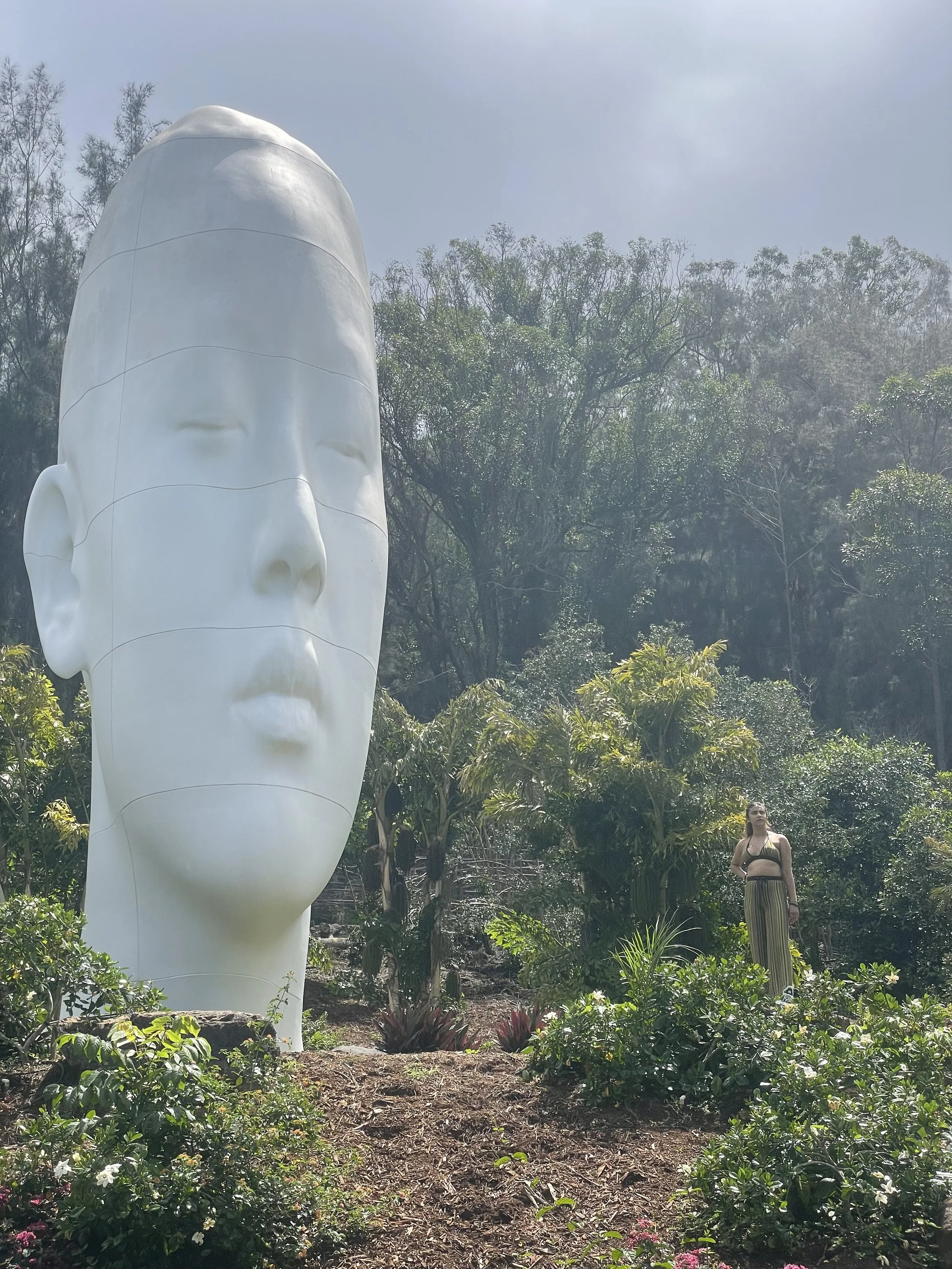
Is Art a Good Investment for Mindful Living Environments?
Investing in art for mindful living environments offers a dual return: financial appreciation and emotional dividends. Fine art is a proven hedge against inflation, with contemporary works often outperforming traditional markets. When integrated into wellness-focused spaces, these assets also contribute to "cognitive capital"—the measurable improvement in mental clarity and stress reduction for the owner. A successful investment strategy focuses on museum-quality pieces with strong provenance and cultural relevance. By selecting art that aligns with the principles of neuroaesthetics, investors create high-value collections that enhance both their personal wellbeing and their long-term financial portfolio.

The Financial Value of Art Staging for Luxury Real Estate: Why Wellness-Focused Curation Sells
Art staging for luxury wellness real estate significantly boosts property valuation by creating an emotional narrative centered on longevity and peace. Research shows that high-net-worth buyers are willing to pay a premium for environments that prioritize mental wellbeing. By installing curated, museum-quality pieces that reflect biophilic design, developers can increase the perceived value and speed of sale. This isn't just decoration; it's a strategic financial investment. Art staging transforms a sterile structure into a sanctuary, making it a powerful storytelling tool that resonates with the sophisticated tastes and health-conscious priorities of today’s elite real estate market.
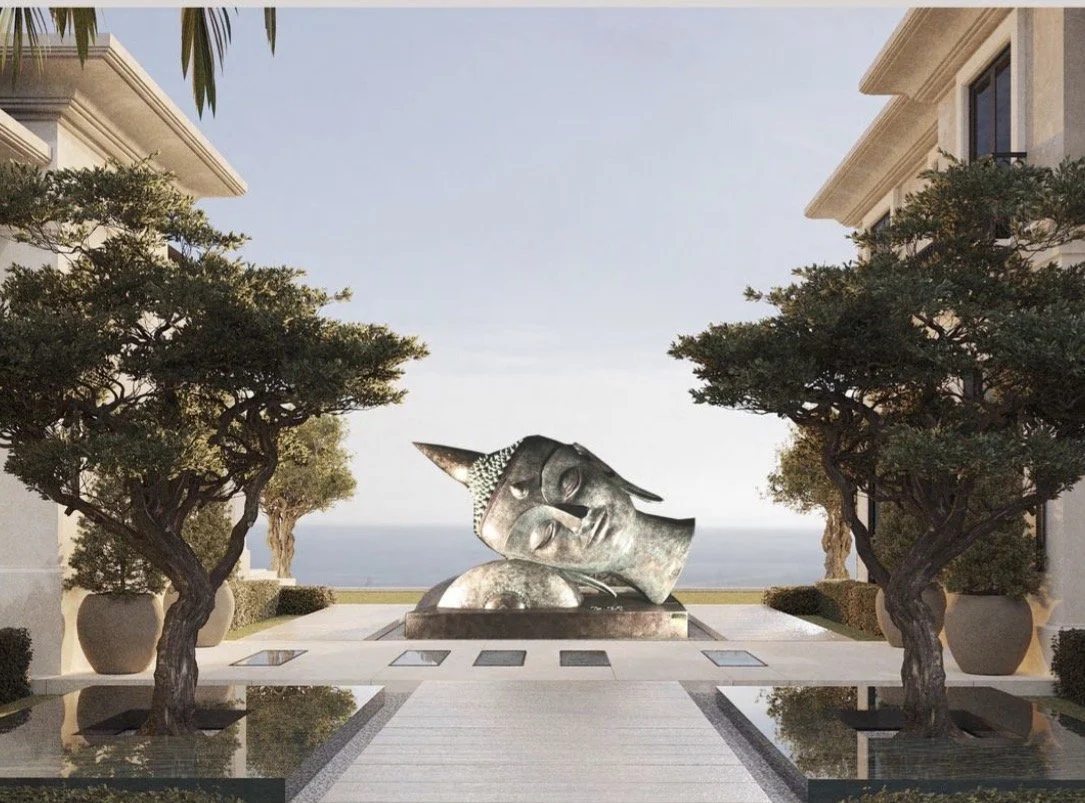
HOW TO FIND CONTEMPORARY ART CONSULTANTS SPECIALIZED IN WELLNESS-DRIVEN CURATION
Finding the right contemporary art consultant for wellness-driven design requires a focus on neuroaesthetics and biophilic principles. Look for experts who understand how visual stimuli affect emotional regulation and the nervous system. Top-tier advisors, like those at The Agency Art House, specialize in sourcing museum-quality works that align with restorative architecture. When vetting consultants, prioritize their access to exclusive artists and their ability to integrate art into luxury lifestyle environments. This strategic approach ensures your collection doesn't just look beautiful but actively enhances the mental and physical health of residents within high-end living spaces.