For decades, the luxury real estate market treated art as "finishing." It was the final layer of decoration added to a room to match the throw pillows. In 2026, that paradigm has collapsed. We are seeing a profound shift in how ultra-high-net-worth (UHNW) collectors and developers approach curation. It is no longer about filling wall space; it is about biological resonance.
The question for the modern art collector is no longer "Does this match the sofa?" but rather "How does this piece regulate my nervous system?" As wellness moves from a trend to a fundamental architectural requirement, the art market is responding with a new category: Restorative Curation.
Whether you are developing a global wellness retreat or refining a private sanctuary, knowing where and how to source fine art that actively promotes longevity and cognitive restoration is the new competitive edge.
NEUROAESTHETICS: THE SCIENCE OF SOURCING
Sourcing for wellness is not an exercise in finding "pretty" pictures. It is a technical pursuit rooted in neuroaesthetics: the study of the neural bases for the contemplation and creation of a work of art. To build a truly restorative environment, your art advisory strategy must prioritize pieces that leverage fractal fluency and biophilic cues.
Research indicates that humans are biologically wired to respond to mid-range fractal complexity: patterns commonly found in nature, such as branching trees or cloud formations. When an art collector acquires a piece that mirrors these natural geometries, they aren't just buying contemporary art; they are investing in a visual tool that has been shown to reduce stress markers by up to 60%.
When sourcing, look for:
Biophilic Abstraction: Works that evoke the feeling of nature without being literal.
Chromotherapeutic Palettes: Sourcing art that utilizes low-contrast, circadian-aligned colors: soft greens, deep blues, and warm earth tones: to support sleep and recovery.
Organic Geometry: Avoiding jagged, high-frequency lines in favor of soft contours that allow the eye to rest.
THE GEOGRAPHY OF SOURCING: WHERE TO FIND RESTORATIVE WORKS
Finding museum-quality art that fits a wellness mandate requires moving beyond the standard commercial gallery circuit. While blue-chip galleries focus on market velocity and provenance, a wellness-focused search requires a more nuanced landscape.
1. SPECIALIZED ART ADVISORIES
The most efficient path to sourcing for wellness is through an art advisory that understands the intersection of art, design, and physiology. Unlike traditional brokers, wellness-aligned advisors: like those at The Agency Art House: work alongside architects and lighting designers to ensure the art is integrated into the "wellness masterplan" of a property. This ensures that a multi-million dollar acquisition doesn't just hold value, but enhances the livability of the space.
2. NATURE-CONNECTED ARTIST STUDIOS
Direct commissions from artists whose practice is rooted in environmental or meditative processes are increasingly sought after. Look for artists who work with raw pigments, stone, or sustainable fibers. These works carry an "energetic provenance" that resonates deeply in restorative home environments.
3. LICENSING FOR LARGE-SCALE WELLNESS RETREATS
For developers of luxury wellness retreats, sourcing hundreds of original works can be a logistical challenge. The trend in 2026 is toward high-end licensing of fine art photography and digital biophilic installations. This allows for cohesive storytelling across a large property while maintaining the high aesthetic standards required for luxury real estate.
THE ROI OF WELLNESS-DRIVEN ART STAGING
In the world of luxury real estate, art staging has moved from a marketing tactic to a value-creation strategy. A property that "feels" healing sells faster and for a higher premium. By implementing wellness-driven curation, developers can differentiate their listings in a crowded market.
When a potential buyer walks into a home staged with art specifically chosen to lower their heart rate: such as the calming blue abstractions of artists like Moises Ortiz: they experience an immediate sense of relief. This emotional connection is the ultimate sales tool. It transforms a house from a structure into a sanctuary.
For more on this, explore how to integrate museum-grade art with luxury real estate to maximize property value.
BEYOND THE CANVAS: INTEGRATING TACTILE AND DIGITAL WELLNESS ART
The definition of "fine art" in 2026 is expanding to include multisensory experiences. If you are sourcing for a wellness retreat or a high-end home, you must look beyond the traditional oil-on-canvas.
TACTILE ART AND ANALOG NOSTALGIA
In an increasingly digital world, tactile art provides a necessary anchor. Sourcing high-end textile art or heavily textured ceramic sculptures offers a "sensory grounding" effect. These pieces invite the viewer to engage with the material world, a key component of mindfulness-based design.
GENERATIVE AND SONIC ART
For modern wellness environments, digital art is being used to regulate circadian rhythms. Generative pieces that shift slowly throughout the day: mimicking the movement of the sun or the sway of a forest canopy: can be sourced from digital art pioneers. Additionally, "sonic art": sculptures that produce low-frequency vibrations or soft acoustic resonance: is becoming a staple in meditation rooms and private spas.
SOURCING FOR THE OUTDOORS: LAND ART AND SCULPTURE PARKS
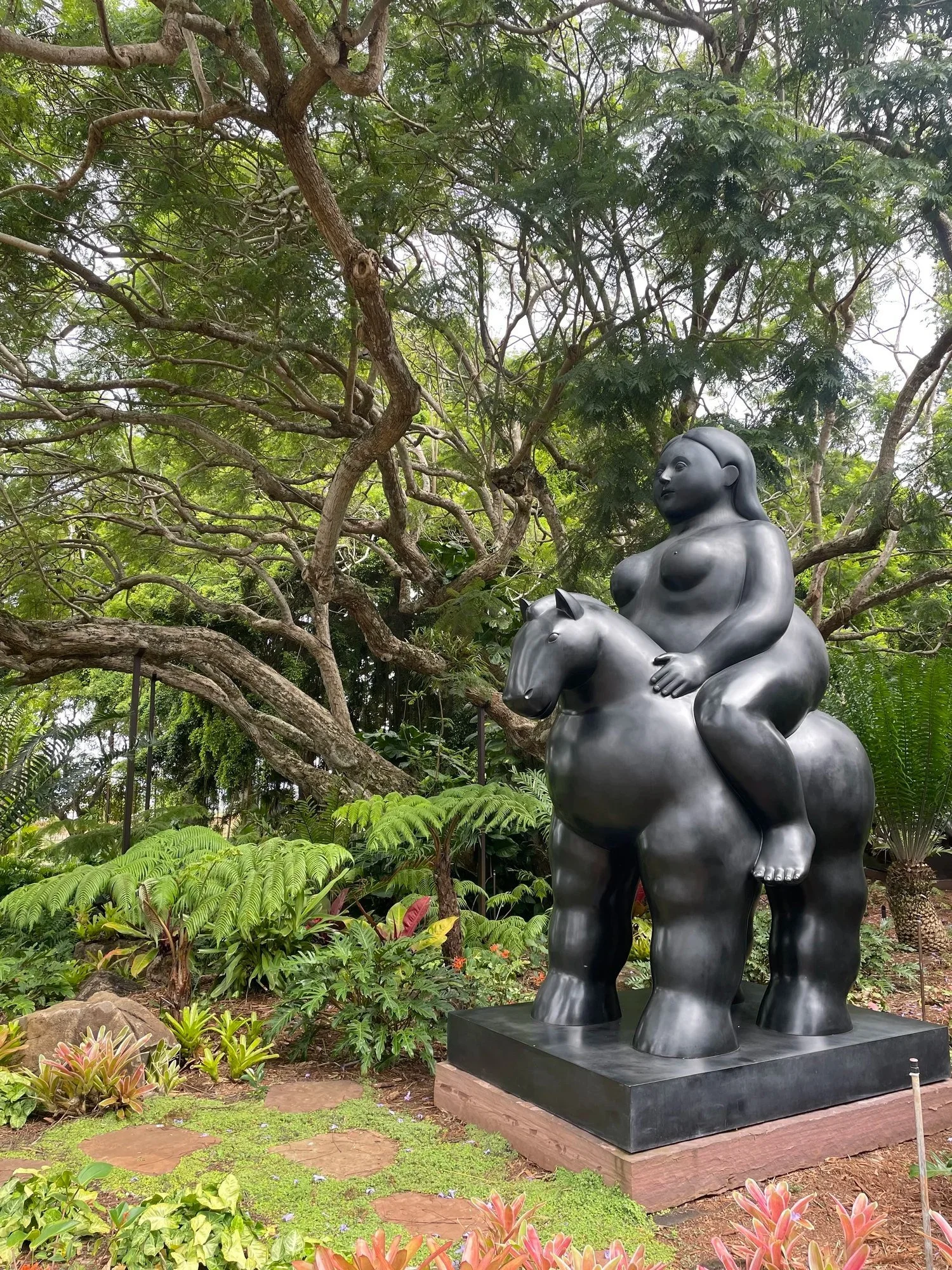
A truly restorative environment does not stop at the glass. For wellness retreats, the surrounding landscape is an extension of the interior sanctuary. Sourcing large-scale, site-specific sculptures for outdoor walking paths or meditation gardens is a primary focus for top-tier art advisors.
These works should be sourced with the local ecology in mind. Stone sculptures that weather naturally, or kinetic pieces that respond to the wind, create a dynamic dialogue with the environment. This "soft fascination" helps guests transition from the mental noise of the modern world into a state of deep reflection.
HOW TO SOURCE: A STRATEGIC BLUEPRINT
If you are beginning the process of sourcing art for a wellness-driven project, follow this 2026 framework:
Define the Physiological Goal: Are you curating for "Active Restoration" (high-energy, creative zones) or "Passive Restoration" (sleep, meditation, spa)?
Audit the Environment: Consider the lighting, acoustics, and views. The art should complement, not compete with, the architectural wellness features.
Consult the Experts: Navigating the art market for wellness requires specific expertise. An advisor can help you curate art for a luxury home beyond interior design.
Prioritize Authenticity: Avoid mass-produced "wellness prints." Serious art collectors and savvy guests can sense the difference. Authenticity is the cornerstone of a restorative atmosphere.
The intersection of art and wellness is not just a niche market; it is the future of intentional living. By sourcing with a focus on neuroaesthetics and biophilia, you aren't just building a collection: you are building a legacy of well-being.
For those ready to move beyond the superficial, the journey starts with a deeper understanding of how serious collectors actually build collections and why most get it wrong.