How to Build an Art Collection for Investment: A Step-by-Step 2026 Guide
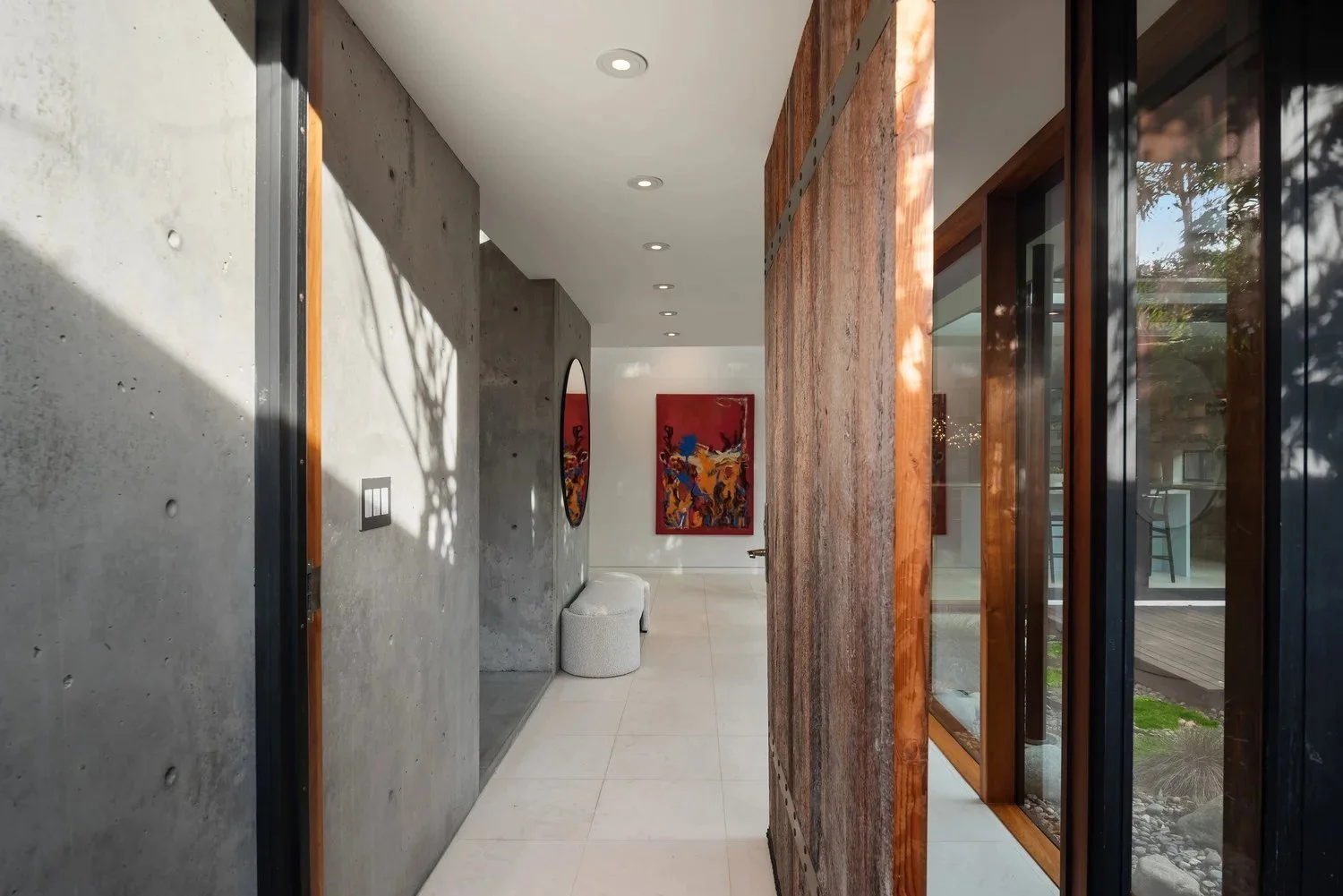
Art is no longer a peripheral asset or a mere aesthetic choice; in 2026, it is the cornerstone of a diversified, high-performance portfolio.
For the modern Ultra-High-Net-Worth (UHNW) individual, the transition from "buying what you like" to "building what lasts" is the defining shift of the decade. We are witnessing a fundamental move away from mere decoration and toward the strategic acquisition of cultural capital. In an era of volatile digital assets and fluctuating markets, fine art remains a resilient, tangible hedge that offers something traditional equities cannot: the intersection of financial appreciation and cultural legacy.
To build an art collection for investment today requires more than a keen eye; it requires a methodology. At The Agency Art House, we view art as a strategic partner to luxury real estate and wealth preservation. This is your definitive, step-by-step roadmap to navigating the 2026 art market with the precision of an institutional investor and the vision of a true connoisseur.
THE EVOLUTION OF COLLECTING: BEYOND THE DECORATIVE
The old mantra of "only buy what you love" has been updated for the 2026 landscape. While personal resonance is the foundation of any great collection, the sophisticated collector now asks: Does this work have the structural integrity to hold value?
Contemporary art investment is now a data-driven discipline. With the rise of AI-assisted provenance verification and the tightening of the global secondary market, how to start an art collection now involves understanding market cycles as much as artistic movements. We are seeing a "flight to quality," where collectors prioritize museum-grade works and emerging artists with institutional backing over fleeting trends.
STEP 1: DEFINE YOUR INVESTMENT HORIZON AND OBJECTIVE
Before the first acquisition, you must establish the "why" and the "how long." Fine art is a notoriously illiquid asset. Unlike stocks, you cannot exit a position at the click of a button without sacrificing significant value.
Establish a Holding Period: A typical fine art investment should be viewed with a 7-to-10-year horizon. This allows the artist’s career to mature, exhibitions to accumulate, and market demand to solidify.
Set Your Budget and Ownership Costs: Building an art collection involves more than the hammer price. Factor in an additional 10-15% for "carry costs," including specialized insurance, climate-controlled storage, and periodic condition reports.
Identify Your Strategy: Are you looking for "Blue Chip" stability (low risk, steady growth) or "Emerging Discovery" (high risk, exponential upside)?
STEP 2: IMPLEMENT THE CORE-SATELLITE (OR BARBELL) ALLOCATION MODEL
The most resilient collections are not monolithic; they are balanced. In 2026, the "Barbell" strategy is the gold standard for portfolio construction.
The Core (The Anchors): These are mid-career or established artists with proven secondary market track records. They represent 60-70% of your collection's value. These works provide the stability needed to weather economic downturns.
The Satellite (The Discoveries): These are high-potential emerging artists. While riskier, they provide the "alpha" or the significant growth potential.
For a deeper dive into this specific strategy, explore our guide on how to build a barbell collection: balancing blue-chip anchors with emerging discoveries.
STEP 3: MASTER THE SOURCING CHANNELS: PRIMARY, SECONDARY, AND THE OFF-MARKET
Where you buy is as important as what you buy. The 2026 market is divided into three distinct arenas:
The Primary Market: Buying directly from a gallery representing the artist. This is where you support the artist's career directly, but access to the "best" pieces is often restricted to established clients.
The Secondary Market: Buying works that have been owned before, usually via auction or private treaty. This offers the most price transparency and historical data. Learn the nuances in our Primary vs. Secondary Masterclass.
The Off-Market: This is where the most significant transactions happen. High-value works often change hands privately to avoid the public scrutiny of auctions. The Agency Art House specializes in this "invisible market," providing our clients with access to works that never hit the public eye.
Access is the ultimate currency in art. To understand why, read Access Matters: Why Art Advisory Services are the New Gatekeepers.
STEP 4: CONDUCT RIGOROUS DUE DILIGENCE
In a world of high-velocity trading, the "boring" details are your greatest protection. To build an art collection for investment, you must treat every purchase like a corporate acquisition.
Provenance is King: A gap in ownership history is a red flag. In 2026, we utilize blockchain-backed digital twins and AI-forensic analysis to ensure every work is exactly what it claims to be.
Condition Reports: Never buy a high-value work without an independent condition report. Even minor UV damage or "craquelure" can impact resale value by 20-30%.
The Five-Question Rule: Before every purchase, ask the hard questions. We’ve codified this in our Collector’s Checklist.
STEP 5: ART AS REAL ESTATE EQUITY: LEVERAGING CURATION FOR VALUE
For the luxury homeowner, art is not merely an addition to the home; it is an appreciation of the real estate itself. A "museum-grade" collection curated within a property can increase the perceived and actual value of the home by positioning it as a cultural landmark rather than just a residence.
Strategic art staging and curation go beyond interior design. It’s about creating a narrative that resonates with the next generation of UHNW buyers. We focus on how to curate art for a luxury home beyond interior design, ensuring that your collection enhances your physical surroundings while simultaneously acting as a standalone financial powerhouse.
STEP 6: PROTECTING THE ASSET AND PLANNING THE EXIT
The final step in fine art investment is management. A collection is a living entity that requires maintenance.
Annual Valuations: Markets move fast. Ensure your insurance coverage reflects the current market value, not the purchase price.
Logistics and Conservation: Use only specialized fine art shippers. Environmental control: maintaining specific humidity and temperature: is non-negotiable for preserving investment value.
Liquidity Planning: When it comes time to sell, choose the right channel. An auction might provide a "moment," but a private sale via an advisor often yields a higher net return by avoiding massive seller premiums.
THE AGENCY ART HOUSE: YOUR STRATEGIC PARTNER
Building a collection that moves the needle on your net worth requires more than a checkbook; it requires a partner with deep market intelligence and a visionary approach.
At The Agency Art House, we don't just find art; we build legacies. We bridge the gap between the aesthetic and the analytical, providing our clients with off-market access and strategic advisory that treats art as the sophisticated asset class it is. Whether you are wondering how serious collectors actually build collections or you are ready to source your first blue-chip anchor, we are here to guide the way.
Ready to elevate your portfolio? Explore our services or start your journey into museum-grade collecting.