Why Art-Backed Lending Will Change the Way You Manage Your Fine Art Investment
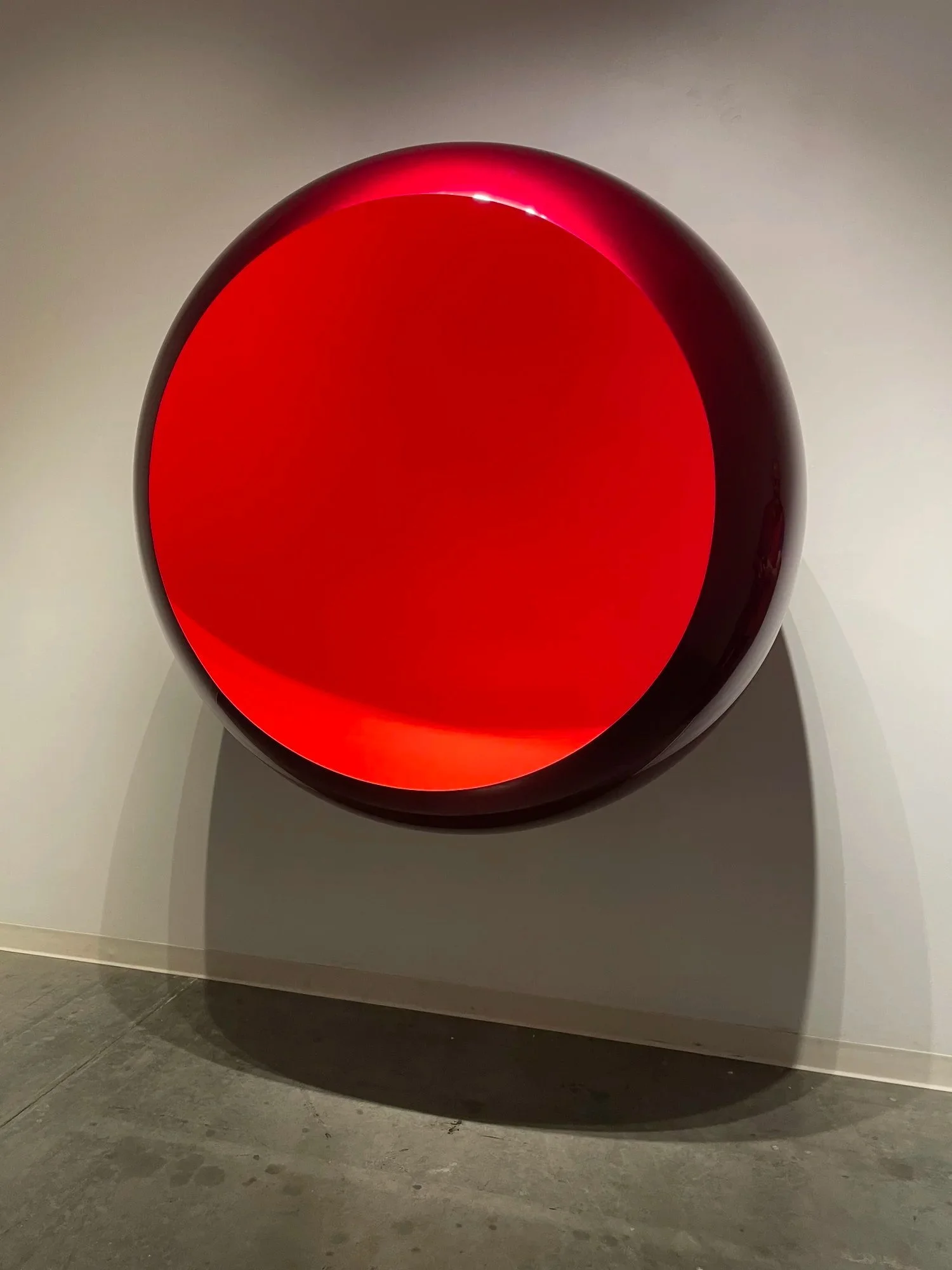
For decades, the art world operated on a "buy and hold" philosophy that treated masterpieces as static trophies. You bought a piece, hung it in a temperature-controlled room, and waited twenty years for the market to move. But the landscape has shifted. In 2026, the world’s most sophisticated collectors no longer view their walls as a dead-end for capital. Instead, they see a high-octane financial engine.
Art-backed lending is the "open secret" of the UHNW world, transforming a private collection from a gallery of beautiful objects into a liquid, strategic asset class. At The Agency Art House, we’re seeing a massive trend: intentionality is replacing decoration. Collectors like you are realizing that a blue-chip canvas can be leveraged just like a stock portfolio or a commercial real estate holding.
If you aren't thinking about your collection as a tool for liquidity, you’re leaving money: and opportunity: on the table.
THE NEW LIQUIDITY: WHY YOUR COLLECTION IS YOUR BEST UNTAPPED ASSET
The primary friction in the art market has always been illiquidity. Historically, if you needed $5 million for a real estate opportunity or a business venture, you had to sell a piece. Selling takes time: sometimes months of negotiation and auction cycles: and it triggers hefty capital gains taxes. Worse, you lose the asset.
Art-backed lending changes the math. It allows you to borrow against the value of your collection while maintaining ownership. You keep the art; you get the cash.
For the modern collector, this is about agility. We are seeing Arushi Kapoor and our team guide clients who use art-backed loans to bridge the gap between luxury real estate acquisitions. Imagine using your Basquiat to fund the down payment on a Bel Air estate, then paying off the loan once your other traditional assets settle. This isn't just about "buying more art"; it's about art facilitating a lifestyle of total financial flexibility.
BEYOND THE FRAME: UNDERSTANDING ART-BACKED LENDING
So, what is it exactly? At its core, art-backed lending is a collateralized loan. A lender (be it a private bank or a specialized boutique firm) evaluates your collection and offers a line of credit based on a percentage of its appraised value.
Unlike a mortgage, which is tied to a property, or a margin loan tied to stocks, art-backed loans are nuanced. They require a deep understanding of the art market and the specific provenance of the pieces in question.
There are two main types of loans:
Recourse Loans: These are often handled by major private banks. They are secured by the art, but the bank can also come after your other assets if the value of the art plummets. These usually have lower interest rates.
Non-Recourse Loans: These are typically provided by specialized art lenders. The art is the only collateral. If the market crashes, the lender takes the art, but your other assets are safe. These come with slightly higher interest rates but offer a layer of protection for the borrower.
THE STRATEGIC PLAYBOOK: THREE WAYS TO DEPLOY ART CAPITAL
Why would a billionaire borrow against their own art? Because the opportunity cost of having $50 million sitting "dormant" on a wall is too high. Here is how the smart money is moving:
1. Expanding the Collection (The Barbell Strategy)
Sophisticated collectors use lending to build a barbell collection. They leverage their stable, blue-chip "anchors" to free up capital for high-growth emerging artists. This allows you to stay active in the primary market without dipping into your cash reserves.
2. Real Estate and Business Ventures
Art-backed lending is the bridge between the gallery and the boardroom. Whether it’s funding a tech startup or securing a commercial property, art becomes a "revolving credit line." This is particularly powerful in the world of luxury real estate, where timing is everything.
3. Tax Efficiency
Selling art can trigger a 28% federal capital gains tax in the U.S. By borrowing against the asset instead of selling it, you avoid the tax hit while still accessing the capital. It’s a classic wealth-preservation move that aligns with long-term portfolio building.
NAVIGATING THE FINE PRINT: LTV, APPRAISALS, AND DUE DILIGENCE
Art-backed lending isn't without its hurdles. It requires a level of due diligence that most casual collectors aren't prepared for.
LTV Ratios: Most lenders will offer a Loan-to-Value (LTV) ratio of 40% to 60%. If your collection is worth $10 million, expect a $4 million to $6 million loan. This buffer protects the lender against market volatility.
Appraisals: You cannot just use the price you paid at a gallery three years ago. Lenders require independent, third-party appraisals from reputable firms. This is where access to the off-market world and current market intelligence becomes vital.
Condition and Provenance: If the paperwork isn't perfect, the loan won't happen. Lenders look for "museum-grade" documentation. Any gap in provenance or a hint of damage can disqualify a piece as collateral.
WHY PARTNERSHIP MATTERS: THE AGENCY ART HOUSE APPROACH
Navigating the financial side of the art world can feel like walking through a minefield. Many advisors take kickbacks from lenders or galleries, blurring the lines of whose interests they are actually serving.
At The Agency Art House, we do things differently. We operate on a transparent 10% commission model. Whether we are helping you source a masterpiece or guiding you through a complex lending structure, our fee is clear and upfront. This creates a foundation of trust. We aren't here to "sell" you on a loan; we are here to act as your fiduciary and strategic partner.
Arushi Kapoor leads our advisory with a visionary focus on cultural positioning. We don't just look at what a piece is worth today; we look at how it fits into the broader arc of your legacy. When a client wants to explore art-backed lending, we act as the bridge between the art and the lender, ensuring the collection is appraised accurately and the terms align with the client’s broader financial goals.
THE STEP-BY-STEP GUIDE TO UNLOCKING YOUR COLLECTION
If you’re considering leveraging your collection, here is the roadmap we typically follow with our clients:
Inventory Audit: We conduct a rigorous review of your collection, focusing on provenance, condition, and current market demand. This determines which pieces are "bankable."
Valuation: We facilitate independent appraisals to establish a conservative and realistic fair market value.
Lender Selection: We match you with the right lender: whether it’s a major bank for a recourse loan or a boutique firm for a non-recourse structure: based on your specific liquidity needs.
Due Diligence & Logistics: This is the heavy lifting. We manage the paperwork, the inspections, and the insurance requirements. In some cases, the art stays in your home; in others, it may need to be moved to a high-security, climate-controlled art storage facility (art-vault).
Capital Deployment: Once the loan is funded, we help you strategize on the best use of that capital: whether that’s reinvesting in the primary market or diversifying into other luxury assets.
SUMMARY: THE FUTURE OF COLLECTING IS FINANCIALLY SAVVY
The era of the "passive collector" is over. Today, building a museum-grade collection requires more than just a good eye for talent; it requires a strategic mind.
Art-backed lending is the ultimate tool for the modern UHNW individual. It provides the liquidity to seize new opportunities without sacrificing the cultural and emotional value of a collection. By treating your art as a dynamic component of your net worth, you aren't just a collector: you’re a curator of your own financial destiny.
At The Agency Art House, we’re here to ensure that every move you make is backed by data, transparency, and a visionary perspective on where the market is headed. If you’re ready to see what your walls are actually capable of, let’s talk.
Want to learn more about building a collection that works for you? Explore our educational resources or reach out to Arushi Kapoor and the team for a private consultation.