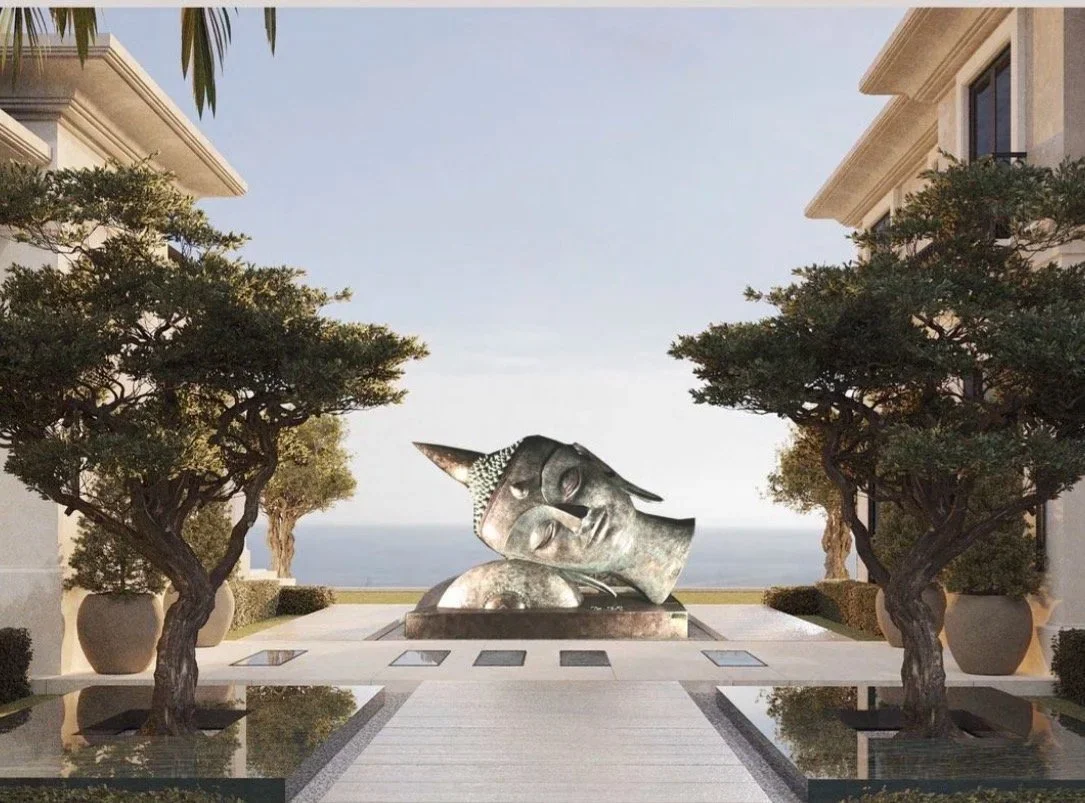
The definition of a luxury sanctuary is shifting. In 2026, the high-net-worth individual is no longer satisfied with mere aesthetic opulence; they are seeking environments that actively contribute to their cognitive and physiological health. As homes transform into private wellness retreats: complete with biohacking suites and meditation zones: the role of the art advisory has evolved. It is no longer about finding a piece that matches the rug; it is about finding a consultant who understands the profound impact of neuroaesthetics and biophilic design.
To build a collection that fosters longevity and mental clarity, you must look beyond the traditional gallery circuit. You need a specialist who understands how color, form, and scale interact with the human nervous system.
BEYOND THE DECORATIVE: THE RISE OF NEUROAESTHETIC CURATION
For decades, art in luxury real estate was relegated to "decor." It was a secondary thought, often selected to fill a void on a large wall. However, current market intelligence suggests a massive shift in UHNW collector behavior. Today’s collectors are prioritizing intentionality. They understand that the contemporary art they live with has a direct effect on their stress levels, mood, and even their circadian rhythms.
Neuroaesthetics: the scientific study of the neural bases for the contemplation and creation of a work of art: is now a core pillar of high-end advisory. A specialized consultant doesn't just look at the market value of a painting; they evaluate how the visual information of the piece will be processed by the brain. Is the fractal dimension of the work naturally calming? Does the palette support the intended function of the room?
When you are looking for an advisor, you are looking for someone who can bridge the gap between fine art and the science of well-being.
WHERE TO SCOUT FOR SPECIALIZED ART ADVISORS
The best wellness-driven art consultants aren't always found at the major auction houses. They are often embedded in the ecosystems where luxury real estate, wellness technology, and neuro-design intersect.
WELLNESS IN DESIGN CONFERENCES
Events such as the Wellness in Design symposium or the Global Wellness Summit are prime hunting grounds. Look for speakers and panelists who are discussing the integration of sensory experiences into residential developments. These individuals are often at the forefront of combining high-quality art with restorative environments.WELL-CERTIFIED DEVELOPMENTS
Research luxury developments that have achieved WELL Building Standards. These projects often hire specialized consultants to manage their art programs. Contact the developers or the lead interior designers of these projects to inquire about who curated their collections. The Agency Art House, for example, frequently partners with developers to integrate museum-quality art into high-end properties to enhance both aesthetic and financial value.SPECIALIZED DIGITAL PLATFORMS
Look for advisors who contribute to thought leadership on platforms like Artnet or Architectural Digest specifically regarding the intersection of art and health. The language they use: referencing "restorative sleep," "sensory design," or "biological impact": is a clear indicator of their specialization.THE VETTING PROCESS: 5 CRITICAL QUESTIONS TO ASK
Once you have identified potential candidates, your vetting process must be rigorous. You are not just hiring a curator; you are hiring a strategic partner for your lifestyle. Reference our guide on the 5 critical questions to ask an art advisor before you hire them, but add these wellness-specific queries to your interview:
How do you utilize neuroaesthetic principles when selecting works for a primary suite versus a social gallery?
A specialist should be able to explain how high-energy, complex works might be suited for entertaining spaces, while "soft fascinations": art with low visual noise and organic forms: are essential for recovery zones.Can you collaborate with my lighting designer on circadian-synced art displays?
Wellness-driven curation requires an understanding of how art looks under different light temperatures. Art that supports sleep hygiene or morning alertness must be lit intentionally.What is your experience with tactile or analog mediums in a digital-heavy world?
There is a growing trend toward "analog collections": sculptures and paintings with high texture: that ground the viewer in the physical world. This is a key component of restorative art programs.How do you measure the "emotional ROI" of a collection?
While financial appreciation is vital, a wellness consultant should be able to discuss the qualitative impact of the collection on the residents' daily lives.How do you integrate art into high-performance wellness spaces like home saunas or meditation rooms?
This requires technical knowledge of materials (humidity resistance, etc.) and a visionary approach to how art can enhance a meditative state.
ART AS A STRATEGIC ASSET IN WELLNESS REAL ESTATE
In the current art market, the value of a property is increasingly tied to the quality of its environment. Integrating museum-grade art into luxury real estate is no longer optional; it is a proven method to maximize property value.
A wellness-driven consultant acts as a bridge between the architect and the collector. They understand that a large-scale abstract digital work can serve as a focal point for a home spa, creating a "biophilic" connection to nature through color and movement without the maintenance of a living wall.
THE ROLE OF THE STRATEGIC PARTNER
The Agency Art House does not operate like a traditional gallery. We act as strategic partners for our clients, guiding them through the complexities of the market while ensuring their collection serves a higher purpose. Whether you are an emerging collector or a seasoned ultra-high-net-worth individual, the goal is to move from "buying art" to "curating an experience."
The process is end-to-end. We manage the logistics, the installation, and the coordination with galleries, ensuring that the transition of a museum-quality piece into your private wellness sanctuary is seamless. This level of service is essential when you are curating for impact rather than just display.