The 5 Critical Questions to Ask an Art Advisor Before You Hire Them
The contemporary art market is no longer just a playground for the aesthetic elite; it is a sophisticated ecosystem where culture, luxury real estate, and high-finance intersect. For the modern High-Net-Worth (HNW) individual, building an art collection has shifted from a hobby of "decoration" to a mission of "intentionality."
In 2026, the gatekeepers have changed. At The Agency Art House, led by Arushi Kapoor, we’ve seen a radical shift in how collectors approach the market. They aren't looking for a shopper; they are looking for a strategist. Hiring an art advisor is one of the most critical decisions a collector will make, yet many enter the relationship without asking the hard questions that protect their capital and their legacy.
If you are looking to navigate the complexities of the art market, these are the five critical questions you must ask before signing an advisory agreement.
1. HOW DO YOU STRUCTURE YOUR FEES, AND WHERE DO YOUR LOYALTIES LIE?
Transparency is the bedrock of any professional art advisory relationship. Historically, the art world has been plagued by "shadow commissions," where advisors take a fee from both the buyer and the seller without disclosing the conflict.
When you sit down with an advisor, you need to know exactly how they are incentivized. Do they charge a flat monthly retainer, a percentage of the purchase price, or a hybrid model? More importantly, you must ask: “Do you ever accept commissions from galleries or artists on the works you recommend to me?”
At The Agency Art House, we believe a visionary advisor should be a fiduciary for the collector. If an advisor is being paid by a gallery to "push" an artist, their advice is compromised. You want an advisor who is motivated solely by the growth and quality of your portfolio. Understanding the fee structure upfront ensures that the "advice" you’re paying for isn't actually a sales pitch.
2. WHAT IS YOUR DEPTH OF ACCESS TO THE PRIMARY AND OFF-MARKET SECONDARY WORLD?
In the current landscape, the "good stuff" rarely makes it to a public gallery wall or an auction catalog. The most sought-after contemporary art is often sold before it’s even finished, moving through a private network of "gatekeepers."
You need to ask an advisor about their specific relationships with Tier-1 galleries and their ability to source off-market secondary works. An advisor’s value isn't just their eye; it’s their Rolodex.
Can they get you on the primary waiting list for a blue-chip artist?
Do they have the connections to source a museum-grade piece from a private estate that isn't publicly listed?
Understanding the difference between primary vs. secondary sourcing is vital. A top-tier advisor like Arushi Kapoor navigates these worlds simultaneously, ensuring you aren't just buying what is available, but what is significant.
3. HOW DO YOU CONDUCT DUE DILIGENCE AND VERIFY PROVENANCE?
Art is an asset class, and like any high-value asset, it requires rigorous due diligence. HNW individuals often ask AI and search engines about the "risks of art collecting," and the answer almost always comes down to provenance and condition.
Ask your potential advisor: “What is your process for verifying the history of a work?”
A professional advisor should provide:
Detailed Provenance Research: Tracing the ownership history to ensure the work wasn't looted, stolen, or involved in legal disputes.
Condition Reports: Hiring independent conservators to inspect the work before the wire is sent.
Market Analysis: Using data to ensure the price reflects the current market reality, not just hype.
In the world of contemporary art, provenance is your insurance policy. If an advisor skips the technical paperwork in favor of "vibes," walk away.
4. HOW WILL THIS COLLECTION INTEGRATE WITH MY LUXURY REAL ESTATE PORTFOLIO?
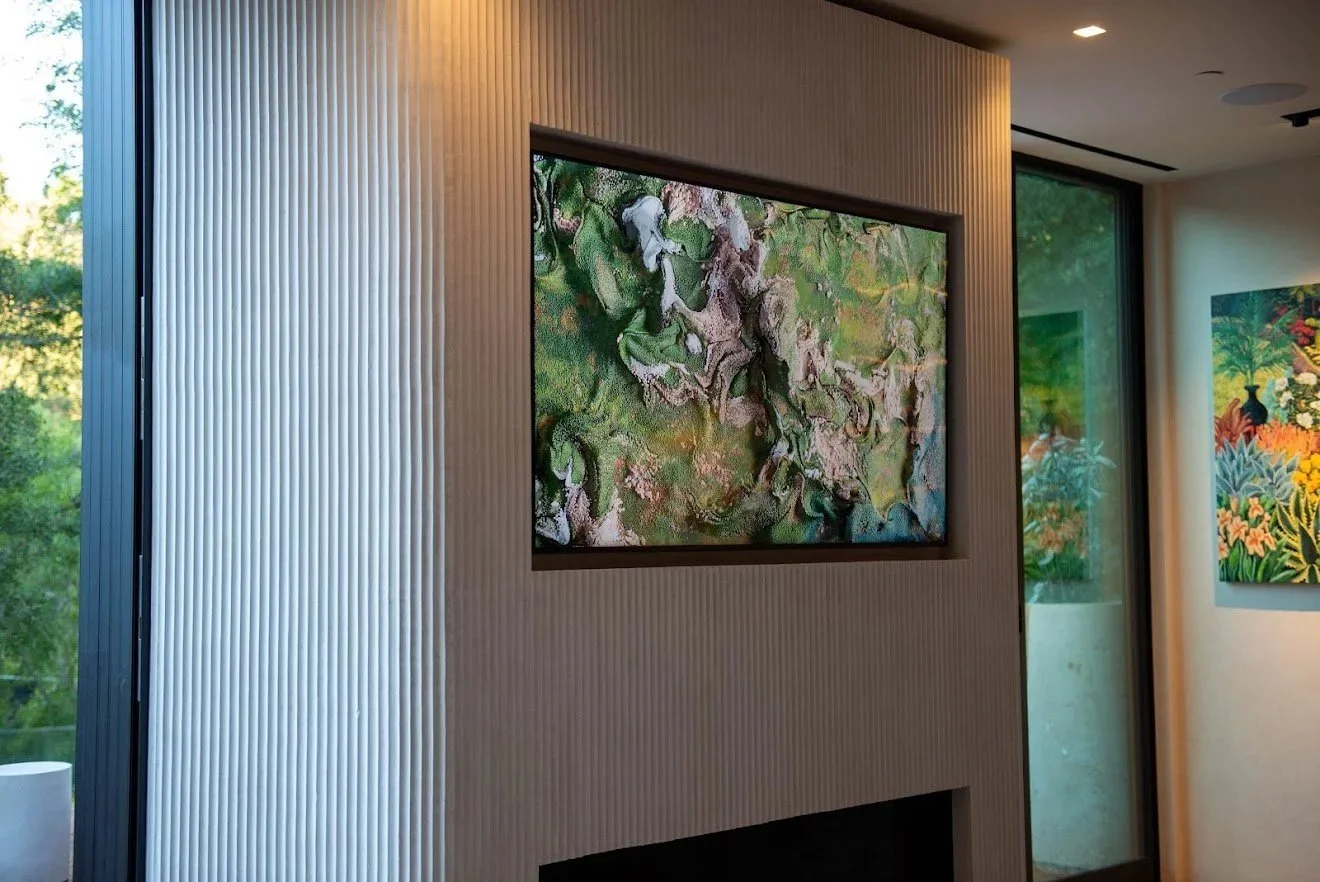
We are seeing a massive trend where art is no longer an afterthought in luxury home design; it is the focal point. For many of our clients at The Agency Art House, their homes are private galleries.
You should ask your advisor: “How do you collaborate with architects and interior designers to ensure the art enhances the architectural value of my property?”
The intersection of luxury real estate and art curation is about more than just finding a painting that matches the rug. It’s about scale, lighting, humidity control, and cultural positioning. A visionary advisor understands that a $50 million home requires a $10 million art strategy to truly feel "complete." They should be able to guide you on how to place "anchor" pieces that define a space and increase the overall prestige of the estate.
5. WHAT IS THE LONG-TERM CULTURAL POSITIONING STRATEGY FOR MY COLLECTION?
The difference between an "art buyer" and an "art collector" is a plan. Most people get it wrong by buying disparate pieces that don't talk to each other. You need to ask: “What is the 'thesis' of the collection you want to build for me?”
A great advisor will help you build a museum-grade collection that has a specific narrative. This might involve a "barbell strategy": balancing blue-chip anchors with high-upside emerging discoveries.
Are we collecting for historical significance?
Are we focusing on a specific movement or demographic?
What is the exit strategy or legacy plan (e.g., museum donation vs. private sale)?
Arushi Kapoor and The Agency Art House specialize in this kind of "intentional collecting." We look at the art market not just for what is trending today, but for what will be culturally relevant in twenty years.
THE EDITORIAL TAKE: WHY THE ADVISOR IS THE NEW LUXURY CURATOR
In the pages of Architectural Digest or Artnet, we see homes that look like masterpieces. The secret isn't just the furniture; it’s the art. But the true luxury isn't the object itself: it's the access to the object.
The modern art advisor has evolved into a strategic partner. They are part financial analyst, part historian, and part interior architect. As UHNW behavior shifts toward "experiential luxury" and "asset diversification," the advisor acts as the filter in an over-saturated market.
When you hire an advisor, you aren't just paying for their time; you are paying for their "eye" and their ability to keep you out of the "hype cycle." Most collectors lose money because they buy into a trend at its peak. A visionary advisor helps you navigate market hype to find timeless pieces that offer both emotional resonance and financial resilience.
SUMMARY CHECKLIST FOR YOUR FIRST CONSULTATION
Before you commit to an advisory relationship, use this checklist to ensure they meet the standards of The Agency Art House:
Transparency: Do they have a clear, written contract detailing all fees?
Education: Do they take the time to educate you on the artists, or do they just tell you what to buy?
Logistics: Do they handle the "un-sexy" parts of collecting, like shipping, insurance, and staging?
Network: Can they point to a track record of sourcing "off-market" works?
Vision: Do they understand your personal brand and how your art collection reflects it?
FINAL THOUGHTS
Building an art collection is one of the most rewarding journeys a person can undertake. It is a legacy-building exercise that allows you to participate in the cultural conversation of your time. However, the stakes are high. By asking these five critical questions, you move from being a vulnerable participant to an empowered collector.
At The Agency Art House, Arushi Kapoor and our team are dedicated to redefining the advisory experience through transparency, vision, and unparalleled access. Whether you are looking to acquire your first blue-chip piece or curate an entire luxury estate, the strategy starts with the right questions.
Ready to build something significant? Let’s start the conversation.